
Kai "Verse" Tyler
I Made $60K a Week Selling Weed — Then Got 5 Years in Federal Prison
Kai "Verse" Tyler had every advantage — a great upbringing in New Jersey a successful mother who pushed him to do better an Ivy League education and a promising career in the music business. But despite all of that he was a hustler. What started as selling weed as a teenager scaled into the big leagues — flying pounds across the country working with major connects and generating $60,000 a week in profit at his prime. He made millions in the weed game while simultaneously building a strong reputation as a music executive. Then someone in his crew set him up and the feds caught up with everything — resulting in a 5 year federal sentence.
John Krupinsky
I Spent 45 Years as a Cop — Here's How Policing Changed & What Nobody Is Saying Out Loud
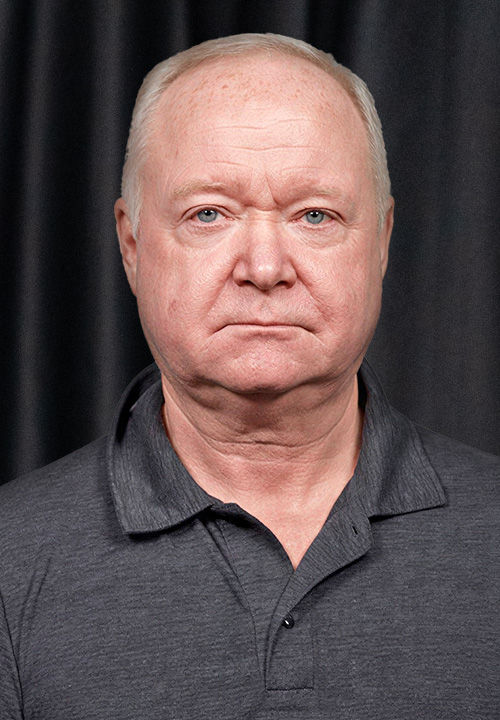
John Krupinsky grew up in Danbury Connecticut in a law enforcement family — his father and brother were both cops. He followed that path starting in Ridgefield before joining the Danbury Police Department where he spent 45 years working undercover becoming a sergeant and a detective running drug busts and working alongside federal agencies. In this episode of Locked In with Ian Bick, John shares the complete truth about what 45 years in law enforcement really looked like — from policing in the 80s and 90s to undercover work to drug busts to the city's relationship with federal agencies to his take on local cops working with ICE to why it is harder to be a cop today to dealing with social media and first amendment auditors to massage parlor busts to encountering Ian personally when he owned a club in Danbury to going viral to the Black Lives Matter movement.

Sabu Stanley
I Was a Blood in Brooklyn — Then Got 16 Years in Prison
Sabu Stanley grew up in Brooklyn and lost his father to cancer as a child. His mother kept him grounded and out of trouble — until she passed from cancer too. Without her the streets of Brooklyn became his family. His first run in with the law sent him to Rikers Island where he became a Blood. Gang life eventually led to a 16 year sentence in New York State prison. In this episode of Locked In with Ian Bick, Sabu tells the complete story — from losing both parents to the streets taking him in to Rikers Island in the 90s and early 2000s to becoming a Blood to rising as a major drug player in Brooklyn to the 16 year sentence that defined the next chapter of everything.
Julio Almanza
I Was a Chicago Gang Member Running Drugs for the Cartel — Then Got Locked Up in a Mexican Prison
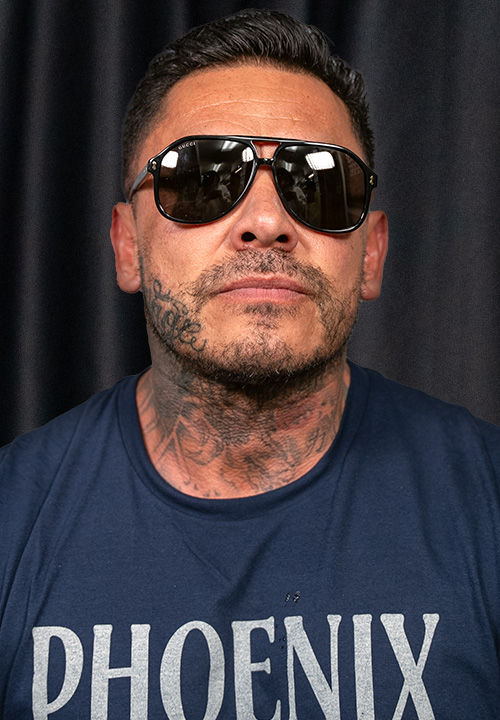
Julio Almanza grew up in Chicago after his father walked out — and that loss set everything in motion. The streets became his family the Satan Disciples became his identity and the Mexican cartel became his employer. At just 17 years old he was caught smuggling drugs on the Mexico side of the border and spent the next four years locked up in a Mexican prison before being transferred to federal custody in the United States. When he got out he went straight back. Ten more years in federal prison followed. He left the Satan Disciples and joined the Latin Kings — and his former gang immediately put hits out on him. He survived moved to Arizona to start over ended up back inside and finally turned his life around completely.

Howard Robertson
I Was A Warden at Rikers Island — Here's the Truth About America's Most Violent Jail
Howard Robertson had every reason to go down the wrong path. His parents died. His siblings were in the streets. But instead of following them he chose corrections — and over a 22 year career from the late 1970s to the early 2000s he rose from correctional officer to captain to deputy warden to warden of Rikers Island — the largest and most violent jail in America. In this episode of Locked In with Ian Bick, Howard pulls back the curtain on everything — from his brutal upbringing to what made him choose corrections to what Rikers Island looked like from the inside during its most violent era to the notorious inmates he encountered to how programs reduced violence to how politicians destroyed what it could have been to the problems with closing it and what the future of Rikers Island really looks like.